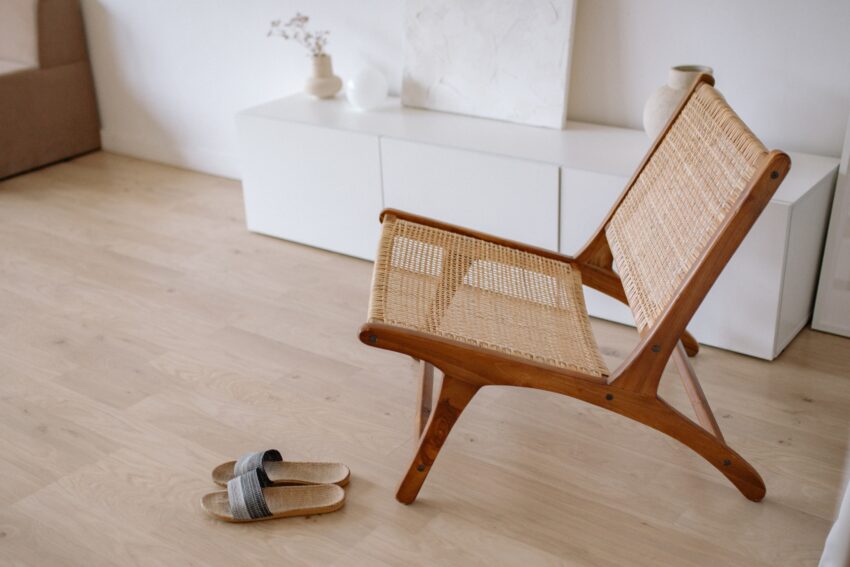
As lifestyles become more dynamic and space-conscious, furniture design is evolving to meet the needs of modern living. One of the most notable shifts in recent years is the growing demand for portable furniture. Whether for small apartments, flexible workspaces, or outdoor use, people are increasingly looking for furniture that is easy to move, store, and adapt to different environments.
Portable furniture is no longer limited to simple folding chairs or temporary setups. Today’s designs combine functionality with style, offering solutions that are both practical and visually appealing. From compact desks to multi-purpose storage units, these innovations are changing how people organize and use their spaces. As mobility and convenience become priorities, portable furniture is emerging as a key trend that reflects the changing way people live, work, and interact with their surroundings.
The Rise of Portable Furniture in Modern Homes
The popularity of portable furniture has grown significantly as living spaces become more compact and versatile. Many urban homes now prioritize efficient use of space, making traditional bulky furniture less practical. Portable options provide flexibility, allowing homeowners to rearrange or store items as needed without compromising comfort.
This shift is especially noticeable in apartments and shared living spaces. Residents often need furniture that can serve multiple purposes while remaining easy to move. Portable tables, foldable chairs, and stackable storage units offer practical solutions that adapt to changing needs. These pieces help maximize functionality without overwhelming limited space.
In the world of furniture, this trend reflects a broader movement toward adaptability. People are no longer looking for static pieces that remain in one place. Instead, they prefer items that can evolve with their lifestyle, supporting both convenience and efficiency.
Key Features That Define Portable Furniture
Portable furniture stands out because of its unique features that prioritize ease of use and mobility. Lightweight materials are one of the most important aspects. Items made from aluminum, engineered wood, or durable plastics are easier to carry and reposition, making them ideal for flexible environments.
Another defining feature is foldability. Many portable furniture pieces are designed to collapse into compact forms, allowing for easy storage when not in use. This is particularly useful for individuals who need to free up space quickly or transport items between locations.
Durability is also essential. Despite being lightweight and movable, portable furniture must withstand regular use. High-quality designs ensure that these pieces remain stable and reliable over time. Combining portability with strength is what makes these products both practical and long-lasting.
Multi-Functional Designs for Everyday Convenience
One of the most appealing aspects of portable furniture is its ability to serve multiple functions. Modern designs often combine different uses into a single piece, reducing the need for additional items. For example, a foldable desk can double as a dining table, while a storage bench can also serve as seating.
This multi-functionality is especially valuable in smaller spaces where every item must justify its presence. By offering more than one purpose, portable furniture helps users make the most of their available area. It also simplifies organization, as fewer items are needed to achieve the same level of functionality.
In the evolving furniture market, multi-purpose designs are becoming a standard expectation. Consumers are looking for smart solutions that align with their busy lifestyles, and portable furniture delivers exactly that by combining convenience with versatility.
Portable Furniture for Work and Travel
The rise of remote work and flexible schedules has increased the demand for portable furniture designed for productivity. Portable desks, laptop stands, and compact seating options allow individuals to create workspaces wherever they go. This flexibility supports a more dynamic approach to work, enabling people to adapt their environment to their needs.
Travel-friendly furniture is also gaining popularity. Lightweight chairs, collapsible tables, and portable storage units make it easier to bring comfort and functionality to outdoor settings or temporary locations. Whether for camping, events, or short-term living arrangements, these items provide practical solutions without sacrificing convenience.
This adaptability highlights how portable furniture supports modern mobility. As people move between different spaces throughout the day, having furniture that can keep up with their routine becomes increasingly valuable.
Design and Aesthetic Appeal
Portable furniture is no longer just about function. Modern designs place a strong emphasis on aesthetics, ensuring that these pieces complement various interior styles. Sleek finishes, neutral colors, and minimalist designs make portable furniture suitable for both contemporary and traditional settings.
Manufacturers are also focusing on creating visually appealing products that do not compromise on portability. This balance between style and practicality allows users to maintain a cohesive look in their spaces while enjoying the benefits of mobility.
As consumer expectations continue to evolve, design plays a crucial role in product selection. Portable furniture that combines elegance with functionality is more likely to attract buyers who want both convenience and visual appeal.
Sustainability and Smart Living Choices
Sustainability is becoming an important consideration in furniture design. Portable furniture often supports eco-friendly practices by encouraging minimalism and reducing the need for excess items. Multi-functional pieces help limit consumption, which aligns with environmentally conscious living.
Additionally, many manufacturers are exploring sustainable materials and production methods. Using recyclable or responsibly sourced materials contributes to a more sustainable approach to furniture design. This not only benefits the environment but also appeals to consumers who prioritize ethical choices.
In the context of modern living, portable furniture represents a shift toward smarter and more responsible consumption. It allows individuals to maintain functionality while reducing waste and environmental impact.
Conclusion
Portable furniture is reshaping the way people think about space, functionality, and design. By offering flexible, lightweight, and multi-purpose solutions, it addresses the needs of modern lifestyles that demand both convenience and adaptability. As living environments continue to evolve, the importance of furniture that can move and adjust with ease becomes increasingly clear. From enhancing small spaces to supporting mobile work and travel, portable furniture provides practical benefits without compromising style. Its growing popularity reflects a broader trend toward efficiency, sustainability, and smart living. As innovation continues, portable furniture will remain a key element in creating spaces that are not only functional but also aligned with the changing needs of everyday life.