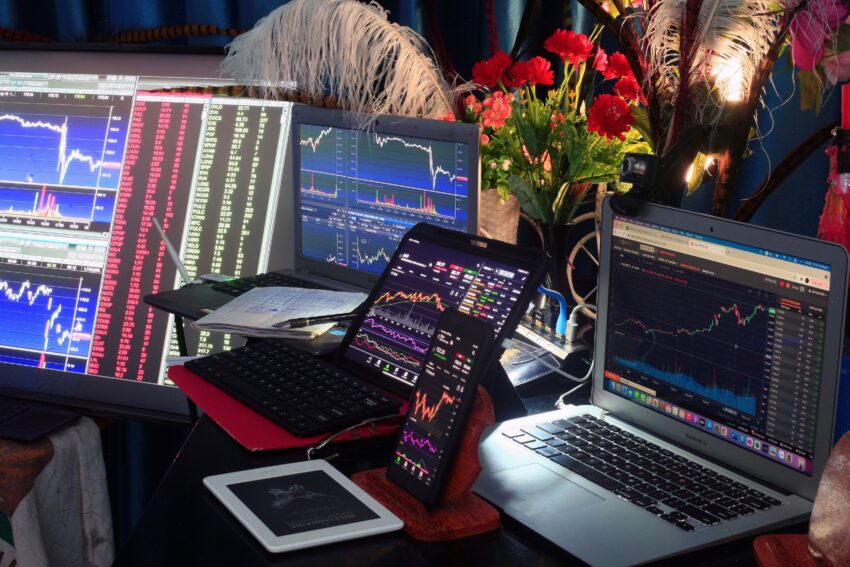
In today’s digital financial landscape, trading has become more accessible than ever before. With just a few clicks, individuals can buy and sell stocks, currencies, commodities, and other financial instruments from virtually anywhere. At the center of this accessibility lies the trading platform, a tool that connects users to financial markets and enables them to execute trades efficiently. Despite its importance, many beginners still find the concept of a trading platform confusing or overwhelming.
Understanding what a trading platform is and how it works is essential for anyone interested in investing or trading. It is more than just software; it is a gateway to market opportunities, analysis tools, and financial decision-making. Whether someone is a casual investor or an active trader, choosing the right platform can significantly impact their experience and results. By exploring its features, types, and benefits, individuals can gain a clearer understanding of how trading platforms shape modern investing.
Understanding the Basics of a Trading Platform
A trading platform is a software application that allows users to access financial markets and execute trades. It serves as the interface between the trader and the market, providing real-time data, charts, and tools needed to make informed decisions. Through a trading platform, users can buy or sell various assets such as stocks, forex, cryptocurrencies, and commodities.
These platforms are typically offered by brokerage firms or financial institutions. Once a user creates an account, they can deposit funds and begin trading using the platform’s features. Most platforms are designed to be user-friendly, allowing both beginners and experienced traders to navigate them بسهولة. They often include dashboards, order placement tools, and portfolio tracking systems that simplify the trading process.
In addition to executing trades, trading platforms also provide valuable insights. They offer market analysis tools, news updates, and historical data that help users understand trends and patterns. This combination of execution and analysis makes trading platforms an essential component of modern investing.
Types of Trading Platforms Available
There are several types of trading platforms, each designed to meet different needs and preferences. One of the most common types is the web-based platform, which can be accessed through a browser without requiring installation. These platforms are convenient and accessible from any device with an internet connection.
Desktop platforms are another option, offering more advanced features and customization. They are often preferred by experienced traders who require detailed analysis tools and faster execution speeds. These platforms may include advanced charting capabilities, algorithmic trading options, and enhanced security features.
Mobile trading platforms have also gained popularity in recent years. These apps allow users to trade on the go, providing flexibility and convenience. While they may have fewer features compared to desktop versions, they are ideal for monitoring markets and executing quick trades. Each type of platform serves a specific purpose, and the choice depends on the user’s trading style and requirements.
Key Features to Look for in a Trading Platform
When choosing a trading platform, it is important to consider the features that will best support trading goals. One of the most critical aspects is ease of use. A platform should have a clear interface that allows users to navigate without confusion. This is especially important for beginners who are still learning the basics of trading.
Another key feature is access to real-time market data. Accurate and up-to-date information is essential for making informed decisions. Platforms that provide live charts, technical indicators, and market news give users a significant advantage. These tools help traders analyze trends and identify potential opportunities.
Security is also a major consideration. A reliable trading platform should have strong security measures in place to protect user data and funds. This includes encryption, secure login processes, and regulatory compliance. Additionally, transaction costs and fees should be transparent, as they can impact overall profitability.
How Trading Platforms Support Different Trading Styles
Trading platforms are designed to accommodate various trading styles, from long-term investing to short-term trading. For example, investors who focus on long-term growth may prioritize platforms with portfolio management tools and research resources. These features help them track investments and make strategic decisions over time.
On the other hand, active traders often require platforms with fast execution speeds and advanced charting tools. These users rely on quick decision-making and need access to detailed data to identify short-term opportunities. Platforms that support automated trading or algorithmic strategies are particularly useful for this group.
The flexibility of trading platforms allows users to adapt their approach based on their goals and experience level. Whether someone prefers a cautious, research-driven strategy or a more dynamic trading style, there is a platform designed to meet those needs.
Common Mistakes When Choosing a Trading Platform
Selecting the wrong trading platform can lead to frustration and missed opportunities. One common mistake is choosing a platform based solely on popularity without considering personal needs. Not all platforms are suitable for every type of trader, and what works for one person may not work for another.
Another mistake is overlooking hidden fees and costs. Some platforms may advertise low fees but include additional charges for transactions, withdrawals, or account maintenance. These costs can add up over time and affect overall returns.
Lack of research is also a common issue. Many beginners rush into trading without fully understanding the platform they are using. Taking the time to explore features, read reviews, and test demo accounts can help avoid unnecessary challenges. Making an informed choice ensures a smoother and more effective trading experience.
The Future of Trading Platforms
The evolution of trading platforms continues to shape the financial industry. Advances in technology are making platforms more sophisticated, user-friendly, and accessible. Features such as artificial intelligence, automation, and enhanced analytics are becoming increasingly common.
These innovations are helping traders make more informed decisions and manage risks more effectively. At the same time, the rise of mobile and cloud-based platforms is expanding access to global markets. More people are now able to participate in trading, regardless of their location or background.
As the industry evolves, trading platforms will likely become even more integrated with other financial tools and services. This ongoing development highlights the importance of staying informed and adapting to new trends. Understanding how these platforms work today provides a strong foundation for navigating the future of trading.
Conclusion
A trading platform is an essential tool for anyone interested in participating in financial markets. It provides the technology and resources needed to execute trades, analyze data, and manage investments effectively. By understanding the different types of platforms, their features, and how they support various trading styles, individuals can make informed decisions that align with their goals. Choosing the right platform is not just about convenience; it plays a significant role in shaping the overall trading experience and potential success. As technology continues to advance, trading platforms will become even more powerful and accessible, offering new opportunities for investors and traders alike.