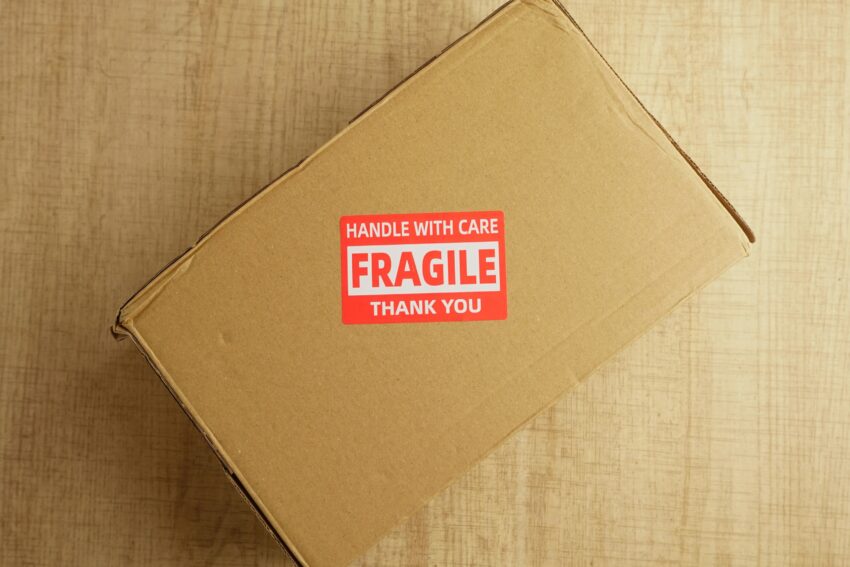
Selling products online has opened countless opportunities for businesses and entrepreneurs, but handling fragile goods presents a unique set of challenges. Items such as glassware, ceramics, electronics, and delicate decor require extra care throughout the entire selling process, from packaging to delivery. Without the right approach, the risk of damage during transit can lead to dissatisfied customers, costly returns, and negative reviews.
As online shopping continues to grow, more sellers are entering the market with products that demand careful handling. This makes it essential to understand the best practices for protecting fragile items while maintaining efficiency and customer satisfaction. A successful strategy goes beyond simply wrapping products in protective materials. It involves thoughtful packaging, reliable shipping methods, and clear communication with buyers. By mastering these elements, sellers can confidently expand their offerings and build trust with their customers, even when dealing with delicate merchandise.
Understanding the Challenges of Selling Fragile Goods
Selling fragile goods online comes with risks that are not as common with more durable products. The most obvious challenge is the possibility of damage during shipping. Packages often go through multiple handling stages, including sorting, loading, and transportation, which increases the chances of impact or pressure on the contents.
Another challenge is maintaining customer trust. When buyers purchase fragile items, they expect them to arrive in perfect condition. Any damage can lead to disappointment, negative feedback, and even loss of future business. This makes it crucial for sellers to take extra precautions to ensure product safety.
In the world of e-commerce, where competition is high and customer expectations are constantly increasing, sellers must prioritize quality and reliability. Understanding these challenges is the first step toward building a system that minimizes risks and enhances customer satisfaction.
Choosing the Right Packaging Materials
Packaging is one of the most important aspects of selling fragile goods. The materials used should provide sufficient protection against shocks, vibrations, and pressure. Bubble wrap, foam inserts, packing peanuts, and air cushions are commonly used to create a protective barrier around delicate items.
The choice of box is equally important. A sturdy, double-walled box offers better protection compared to standard packaging. The size of the box should also be appropriate, allowing enough space for cushioning materials without leaving too much room for movement.
Proper layering is key to effective packaging. Wrapping the item securely and filling empty spaces prevents shifting during transit. This approach significantly reduces the risk of damage and ensures that the product arrives safely. Investing in quality packaging materials is a necessary step for any seller dealing with fragile goods.
Best Practices for Safe Shipping
Shipping fragile items requires careful planning and attention to detail. Selecting a reliable courier service is essential, as different carriers have varying levels of expertise in handling delicate packages. Choosing a service with tracking and insurance options adds an extra layer of security.
Labeling packages correctly is another important practice. Clearly marking items as fragile alerts handlers to exercise caution. While this does not guarantee careful handling, it increases the likelihood that the package will be treated appropriately.
Timing and delivery methods also play a role. Faster shipping options can reduce the amount of time a package spends in transit, lowering the risk of damage. In the competitive landscape of e-commerce, efficient and secure shipping practices can set a seller apart and improve overall customer experience.
Managing Returns and Customer Expectations
Even with the best precautions, there may still be instances where items arrive damaged. Having a clear and fair return policy is essential for maintaining customer trust. Buyers should know what to expect in case of issues, including how to report damage and request replacements or refunds.
Communication is key in managing expectations. Providing detailed product descriptions, clear images, and packaging assurances helps customers feel confident in their purchase. Transparency about shipping processes and potential risks can also reduce misunderstandings.
Handling returns efficiently and professionally can turn a negative experience into a positive one. Quick responses and fair solutions demonstrate reliability and commitment to customer satisfaction. This approach helps build long-term relationships and encourages repeat business.
Building a Strong Brand Reputation
Selling fragile goods successfully is not just about preventing damage. It is also about creating a positive and memorable experience for customers. Packaging can play a role in branding by including personalized touches, such as thank-you notes or branded materials.
Consistency in quality and service helps establish a strong reputation. Customers are more likely to recommend a seller who delivers products safely and reliably. Positive reviews and word-of-mouth referrals can significantly impact business growth.
In the broader e-commerce space, reputation is one of the most valuable assets a seller can have. By focusing on quality, reliability, and customer care, sellers can differentiate themselves and build a loyal customer base.
Scaling Your Business With Fragile Products
As a business grows, managing fragile goods at a larger scale requires more structured processes. Automation and standardized packaging methods can improve efficiency while maintaining quality. Investing in specialized packaging solutions may also become necessary as order volumes increase.
Working with fulfillment centers or third-party logistics providers can help streamline operations. These partners often have experience handling fragile items and can provide additional support in managing inventory and shipping.
Scaling successfully involves balancing growth with quality control. Ensuring that each product is handled with care, regardless of volume, is essential for maintaining customer trust. With the right systems in place, sellers can expand their business while continuing to deliver reliable results.
Conclusion
Selling fragile goods online requires a thoughtful and well-executed approach that prioritizes protection, reliability, and customer satisfaction. From choosing the right packaging materials to selecting dependable shipping methods, every step plays a critical role in ensuring that products arrive safely. Understanding the unique challenges associated with delicate items allows sellers to implement strategies that minimize risks and build trust with their customers. As the e-commerce industry continues to grow, those who invest in quality processes and consistent service will stand out in a competitive market. By focusing on both product safety and customer experience, sellers can successfully navigate the complexities of handling fragile goods and create a sustainable, reputable online business.